- Serving Altoona, PA
"I thought I was OK to drive."
When Facing DUI charges,
there may be options that can reduce or eliminate a conviction.
We Will Come to You

From drug charges to domestic violence and theft, we deliver aggressive, strategic defense for clients facing serious criminal accusations in state and local courts.
We Offer Effective and Aggressive Legal Assistance.

Charged with DUI in Central Pennsylvania? Let our Altoona DUI Lawyers fight to protect your license, challenge the evidence, and minimize penalties—so you can move forward with confidence.

Whether you're dealing with divorce or a custody dispute, we provide compassionate, results-focused representation to protect your rights and secure your family’s future.
Altoona DUI Lawyer
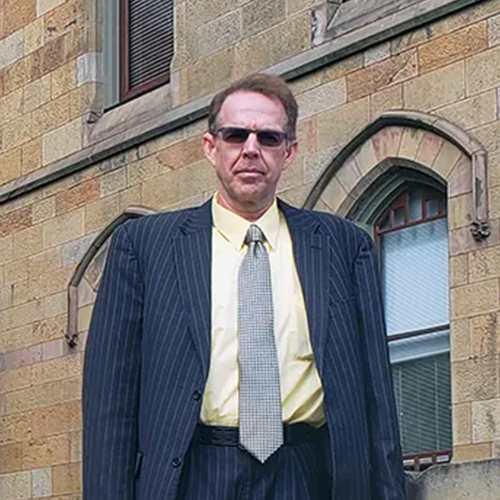
Mark Zearfaus Attorney at Law
Are you looking for an experienced Altoona DUI Lawyer in Altoona, Pennsylvania? If you, or a loved one, have been charged with DUI we may be able to help.
Mark Zearfaus Attorney at Law handles all criminal cases including DUI charges.

DUI Lawyer Mark Zearfaus provides legal representation in Altoona, Pennsylvania and surrounding areas.
We are effective and aggressive and will work to help you get results that you need, from minor to major charges, at affordable rates.
If you have been charged with a DUI, call our office now for a free case review (814) 931-9348.
GET PROFESSIONAL LEGAL ADVICE
If you have a legal question, concern, or would like to schedule a consultation simply fill out the form below.
If this is an urgent matter please call (814) 931-9348.
Altoona DUI Services
Being charged with Driving Under the Influence (DUI) in Pennsylvania can trigger immediate and lasting consequences—license suspension, heavy fines, probation, and even jail time. Whether it's your first offense or a repeat charge, the impact on your personal and professional life can be severe. At Mark Zearfaus Law Offices, our Altoona DUI Lawyers provide aggressive, experienced DUI defense focused on protecting your freedom, your license, and your record.
Altoona DUI lawyer - Mark S Zearfaus Law Offices
As a trusted Altoona DUI lawyer, Attorney Mark S. Zearfaus brings decades of experience defending clients across Blair, Bedford, and Cambria counties, including the communities of Altoona, Bedford, and Johnstown. We understand how overwhelming a DUI charge can be—whether it’s your first offense or a repeat arrest—and we provide aggressive legal defense to help protect your license, your record, and your future. From challenging traffic stops and BAC results to negotiating reduced penalties, we know how to fight DUI charges effectively.
Our law firm is deeply rooted in the Central Pennsylvania legal community and has successfully represented clients from all backgrounds in a wide range of criminal law matters. In addition to DUI and drug-related offenses, we handle charges involving domestic violence, theft, assault, and other serious crimes. We also represent individuals and families in family law cases, including divorce, custody, and parental rights—offering the same strategic approach and commitment to results.
At Mark S. Zearfaus Law Offices, we believe in providing accessible, responsive legal support to those who need it most. Whether you’re navigating a criminal charge, a family dispute, or need help understanding your legal options after a DUI arrest, our team is here to stand by your side. With personalized service, honest communication, and 24/7 availability, we’re proud to be the go-to defense firm for clients throughout Altoona and beyond.
DUI Defense
As a leading Altoona DUI Lawyer, attorney Mark S. Zearfaus brings decades of courtroom experience to each case, including time served as a public defender. We challenge the legality of traffic stops, field sobriety tests, breathalyzer results, and arrest procedures. Our team also handles PennDOT license hearings and explores ARD program eligibility to reduce or avoid conviction whenever possible.
We represent clients throughout Blair, Bedford, and Cambria counties—including Altoona, Bedford, and Johnstown. If you’re facing DUI charges, don’t go it alone. We’ll help you understand your options and fight for the best possible outcome from the start.
- License at Risk?
- We represent clients at PennDOT hearings and fight to keep you on the road after a DUI arrest.
- Know Your Options
- We evaluate ARD eligibility, challenge the evidence, and build a custom defense strategy based on your case.
Our Core Values
- Client-Centered Approach – Your needs come first. We tailor our strategies to achieve the best results for you.
- Legal Excellence – Our attorneys are skilled, knowledgeable, and always up-to-date with the latest legal developments.
- Integrity & Transparency – Honest communication and ethical representation are at the heart of our practice.
- Results-Driven – We focus on achieving the best possible outcomes for our clients, whether in settlement negotiations or court battles.
DO YOU NEED A DUI ATTORNEY?
Every state has some sort of “drunk driving” statute. The term “drunk driving” is in quotes because none of these laws require that you be “drunk” or “intoxicated” to be guilty. All that is required is that your ability to operate a vehicle has been impaired to any extent at all or that your Blood alcohol level exceeds the state limit (which is now .08% in all states).
A DUI ATTORNEY CAN HELP. . .
- ASSESS YOUR LEGAL SITUATION
- An experienced Altoona DUI Lawyer can help you understand what you are up against and the fines you may be required to pay. A DUI attorney mostly deals with DUI matters and knows the process inside and out - including options that a public defender may not tell you.
- EXPLAIN THE CONSEQUENCES
- The consequences of a DUI vary greatly from state to state and an Altoona DUI Lawyer will be able to explain how those consequences in your state apply to you such as (1) harsher punishments for those arrested with BAC limits over .08, (2) special laws for underage drivers arrested for DUI, (3) possible community service or plea bargaining, (4) overlapping jurisdiction of Courts and your state's motor vehicle licensing department to suspend or revoke your license, and (5) contingent license programs that allow you to use your vehicle to get to and from work.
- MANAGE THE PROCESS
- Dealing with the motor vehicle department can be frustrating and time consuming. A DUI attorney can manage the process for you by completing the required forms; making phone calls; scheduling and/or representing you at a Motor Vehicle Department suspension hearing, and making other necessary arrangements.
- REPRESENT YOU IN COURT
- An experienced Altoona DUI Lawyer knows the ins and outs of the courtroom and may be able to obtain a lesser sentence for you if your situation and state law allows for it.
DON'T KNOW IF A DUI ATTORNEY IS RIGHT FOR YOU? HERE ARE SOME GENERAL GUIDELINES:
- DEFINITELY
- Definitely hire an Altoona DUI Lawyer if you already have several DUI's and receive another; or if your DUI arrest was the result of an accident or if anyone was injured; or if you are a professional driver whose livelihood depends on keeping your license.
- PROBABLY
- Seriously consider hiring an Altoona DUI Lawyer if you've been arrested for a second DUI (in the same or another state) or were arrested with a BAC limit over double the legal limit as harsher penalties may apply.
- MAYBE
- You might want to hire an Altoona DUI Lawyer in Altoona, PA if you don't understand your rights or DUI laws, what you need to do, or the consequences you face. You also might want legal representation if you are in a profession (or plan to be) that requires bonding or in which any criminal conviction might prevent you from getting or keeping a professional license. If you don't know the requirements, then you need expert advice before handling the case yourself.

Altoona DUI Lawyer
Education, Admittance & Memberships
- 1999 - J.D., Widener University School of Law
- Admitted to the Pennsylvania Bar
- Member of the Blair County Bar Association
Customer Reviews
Skilled and Dedicated Defense
Pennsylvania’s DUI laws are strict, and the consequences of a conviction can be life-changing—including license suspension, heavy fines, and even jail time. Choosing the right attorney is critical. As an experienced Altoona DUI lawyer, Attorney Mark S. Zearfaus is dedicated to protecting your rights and fighting for the best possible outcome in your case. With a deep understanding of Pennsylvania DUI procedures, he will guide you through the legal process and answer your questions every step of the way.
If you or a loved one has been arrested for DUI in Blair, Bedford, or Cambria County, don’t wait. Speaking with law enforcement without legal representation can jeopardize your case. Early legal intervention gives you the advantage when it comes to challenging evidence, preserving your rights, and building a strong defense strategy.
Attorney Zearfaus thoroughly examines every detail of your case—including traffic stop procedures, field sobriety tests, and breath or blood test results. He works to suppress unreliable evidence and create reasonable doubt regarding impairment. Whether you’re a first-time offender or facing enhanced penalties, Mark Zearfaus Law Offices is here to defend your future with skill, experience, and relentless focus.
If you or a loved one has been charged with DUI, you may feel uncertain about where to start or whether to speak with law enforcement. Seeking legal counsel immediately can help you understand your options and build a strong defense.
Talk to a Altoona DUI Lawyer today!
Contact Mark S. Zearfaus Law Offices at (814) 931-9348 or via email with the form above.
Talk to an Expert